Our collective strength: built on trust and shared purpose
The Melanesia Bio-cultural Network thrives on genuine collaboration, connecting communities, researchers, and supporters through trust, reciprocity, and Indigenous leadership. We are a collective, uniting diverse voices and knowledge systems across Melanesia to champion biocultural conservation, honouring shared commitment and mutual respect.
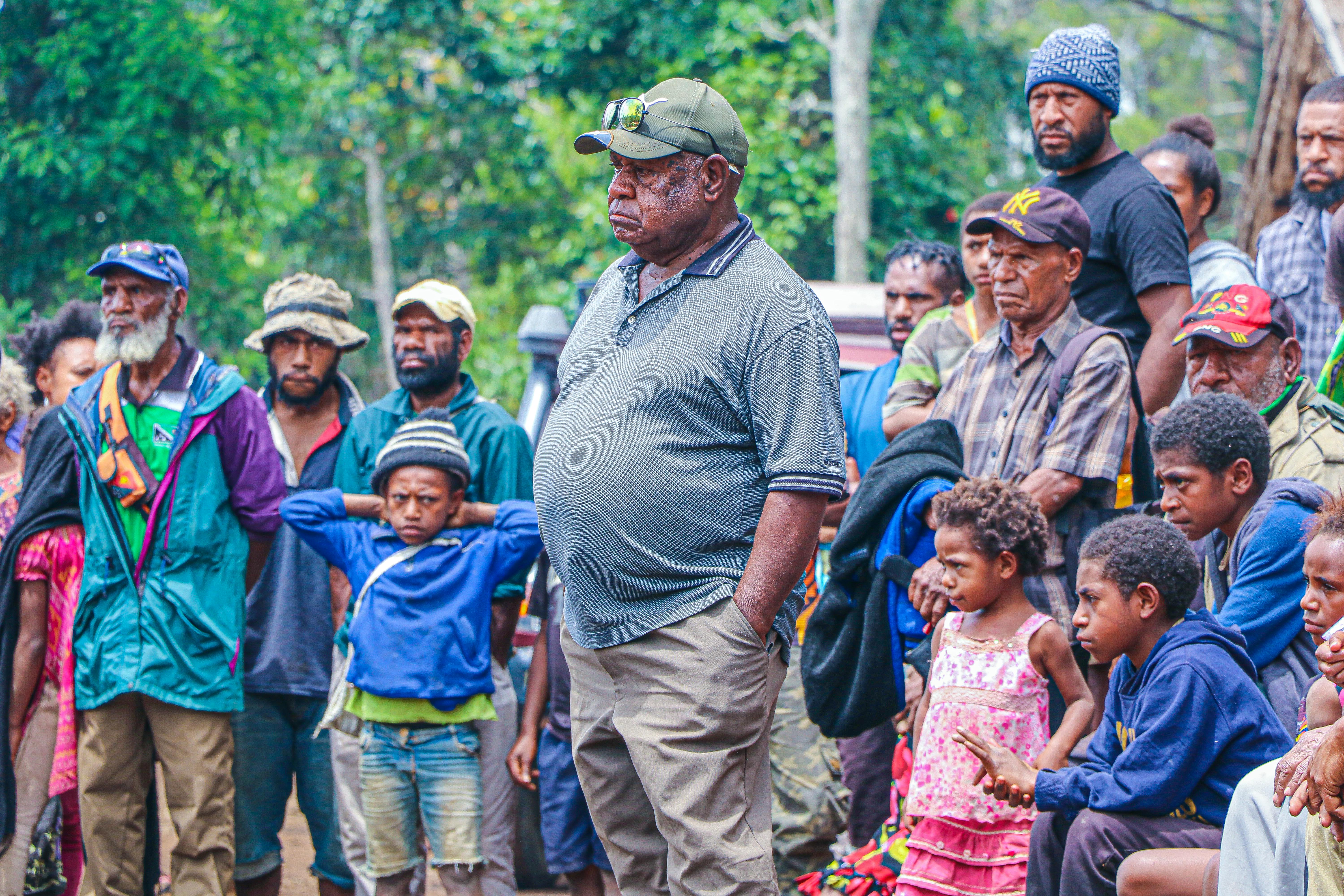
Community & indigenous partners
Our network is rooted in the invaluable work of Indigenous peoples and customary authorities, whose deep connection to land and sea guides our shared mission for biocultural conservation. They are at the heart of every collaboration.
Baru Conservation Alliance (Solomon Islands, East Kwaio, Malaita)
★ Protecting 4,100+ hectares of rainforest through kastom and tribal governance.
This tribal-led organisation demonstrates how Indigenous law and leadership achieve durable conservation outcomes while strengthening culture, education, and livelihoods.
Kunua Conservation Network (Autonomous Region of Bougainville, Papua New Guinea)
★ Community-led protection of the Kunua Plains and Mount Balbi Key Biodiversity Area.
A network safeguarding biodiversity through surveys, habitat restoration, and collaboration between traditional knowledge holders and scientists, showing the power of women-led action and customary governance.
Piku Biodiversity Network (Kikori River Delta, Papua New Guinea)
★ Youth-led biocultural conservation in the Kikori River Delta.
This biocultural conservation network supports clan-based stewardship of rivers, mangroves, and marine ecosystems, with a strong focus on youth leadership and the protection of threatened species, contributing directly to national and global biodiversity and climate goals.

Local wisdom, global impact
Continuing our spotlight on the bedrock of our network, these partners exemplify how Indigenous knowledge and local governance lead to powerful, place-based conservation and climate resilience across Melanesia.
Nanauarehed Tabu Eria / Aneityum Council of Chiefs (Vanuatu)
★ A 7,800+ hectare ridge-to-reef tabu area governed by customary law.
This community-declared sacred conservation area, governed by customary law and a locally agreed management plan, highlights how tabu systems and chiefly governance lead to effective, legally recognised conservation and climate resilience.
Nindiah Tribe & Ajië-Arhö Customary Area (New Caledonia)
★ Customary leadership guiding dugong and flying-fox conservation.
Customary authorities working to protect culturally significant species, bridging Kanak knowledge with ecological science and conservation policy, demonstrating how Indigenous governance and cultural values can guide species protection in complex contexts.
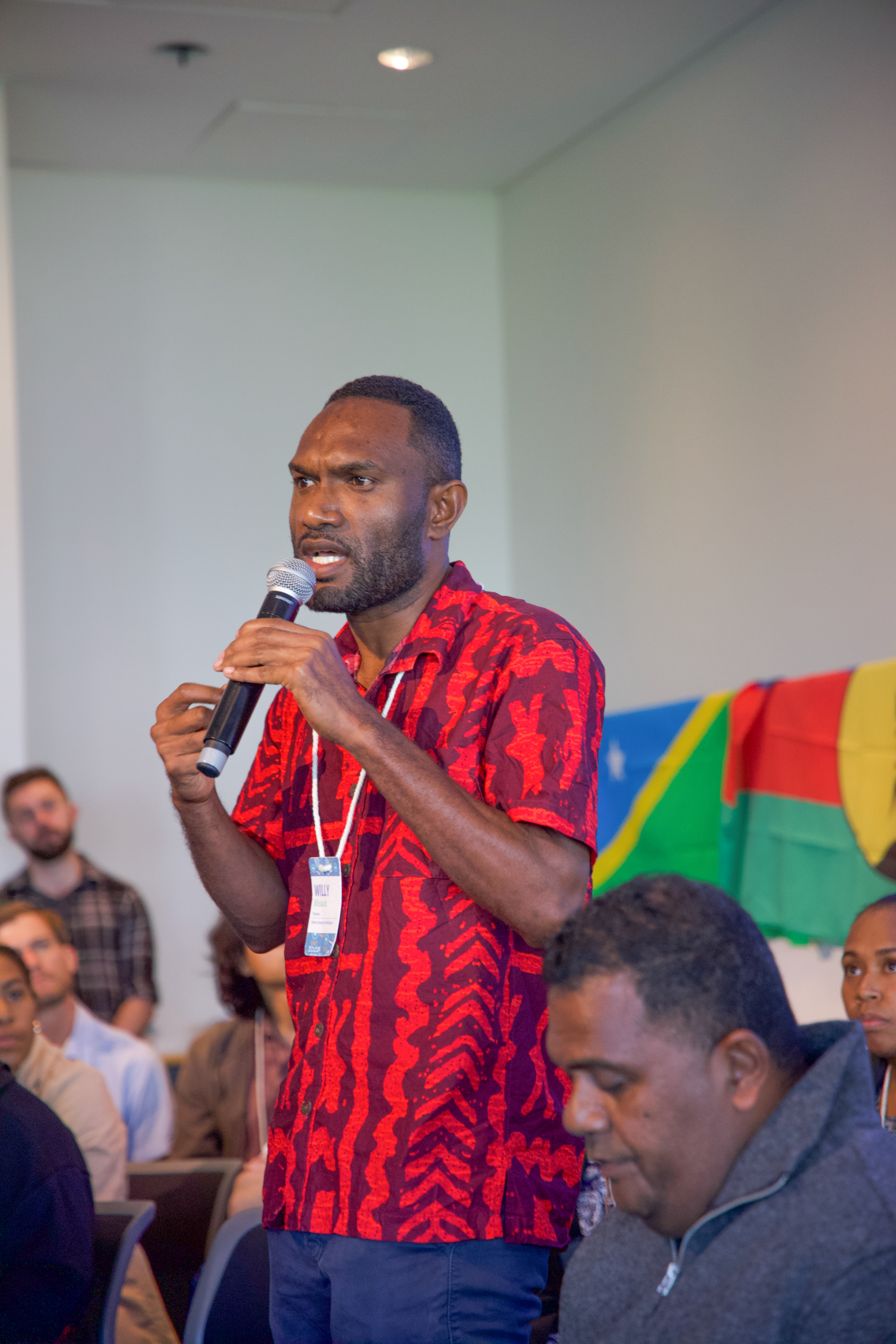
Collaborating for change: NGOs & academics
Our network is strengthened by the dynamism of regional organisations and the rigorous insights of academic institutions, all dedicated to advancing biocultural conservation and Indigenous-led research.
Gardiens Des Îles (New Caledonia)
★ Youth-led conservation and ecosystem restoration.
A youth-led organisation focused on biodiversity conservation, ecosystem restoration, and nature-based solutions, with strong training programs for young Indigenous conservation leaders, strengthening regional capacity in Indigenous-driven conservation and climate action.
Yelden Empowerment (New Caledonia)
★ Cultural mediation between communities, policy, and markets.
A Kanak-run social enterprise acting as a cultural mediator, supporting environmental adaptation and project development, ensuring projects remain culturally grounded while engaging effectively with policy, funding, and innovation systems.
University of Melbourne (Oceania Institute · Melbourne Biodiversity Institute · Indigenous Knowledge Institute, Australia)
★ Institutional home of the Melanesia Bio-Cultural Network.
Provides long-term institutional support while embedding Indigenous methodologies, data sovereignty, and co-produced knowledge in research and policy engagement, enhancing global visibility.
James Cook University & Australian Museum (Australia)
★ Long-term research partnerships supporting Indigenous-led conservation.
These collaborators contribute technical expertise while working within Indigenous-led frameworks that respect customary governance and knowledge, supporting community-led biodiversity research and conservation capacity across Melanesia.
"
"Science and Traditional Ecological Knowledge can work together, co‑produce insights, and strengthen each other. Conservation is not only about forests and seas; it is also about people—their cultural ties to land and water, their social cohesion, and the customary governance systems that sustain healthy ecosystems."
Our vital policy and funding partners include the University of Melbourne, Bio-Bridge Initiative (Convention on Biological Diversity), connecting Melanesian communities to global biodiversity policy; the Australian Department of Foreign Affairs and Trade (DFAT), supporting Indigenous leadership in regional and global forums; and Fonds Pacifique / French Government, supporting Indigenous-led conservation in New Caledonia.